
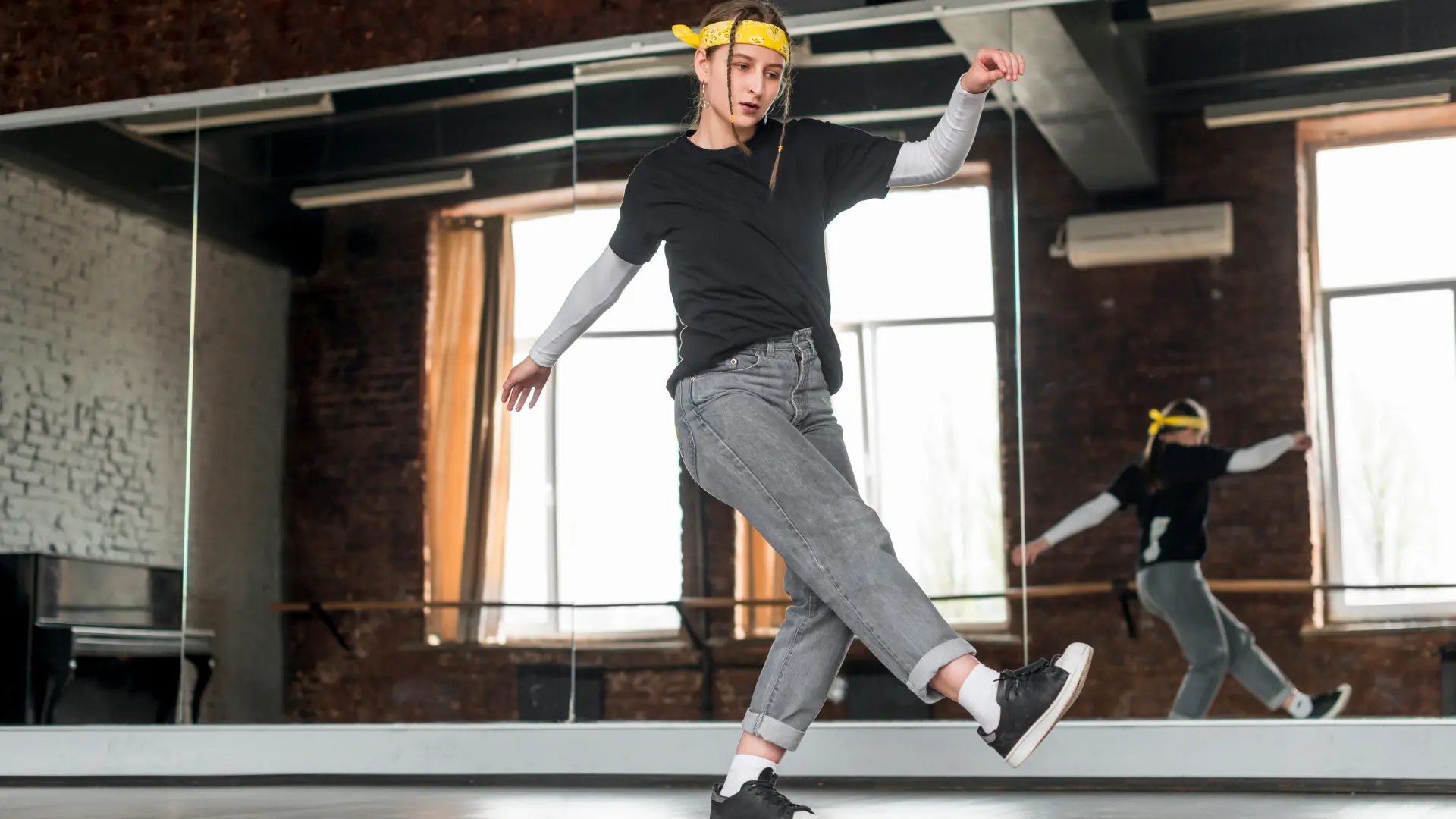
The Power and Popularity of Hip-Hop Dance
Hip-Hop dance is one of the most influential dance forms in the world, combining rhythm, creativity, and personal expression. It is not only a style of movement but also a cultural expression that represents confidence, freedom, and individuality. From street performances to international stages, Hip-Hop dance has made a remarkable journey and continues to inspire millions of people worldwide.
The Beginning of Hip-Hop Dance: A Street Culture Revolution
The history of Hip-Hop dance started in the early 1970s in the Bronx, New York City. During this time, young people from African American and Latino communities created Hip-Hop culture as a way to express their emotions, experiences, and creativity.
Hip-Hop culture developed through four important elements:
- DJing: Creating and mixing music beats
- MCing: Rapping and connecting with audiences
- Graffiti Art: Expressing ideas through visual creativity
- Breaking: A powerful dance style involving footwork, spins, and freezes
Among these elements, dance became one of the strongest forms of communication because people could share their stories and emotions through movement.
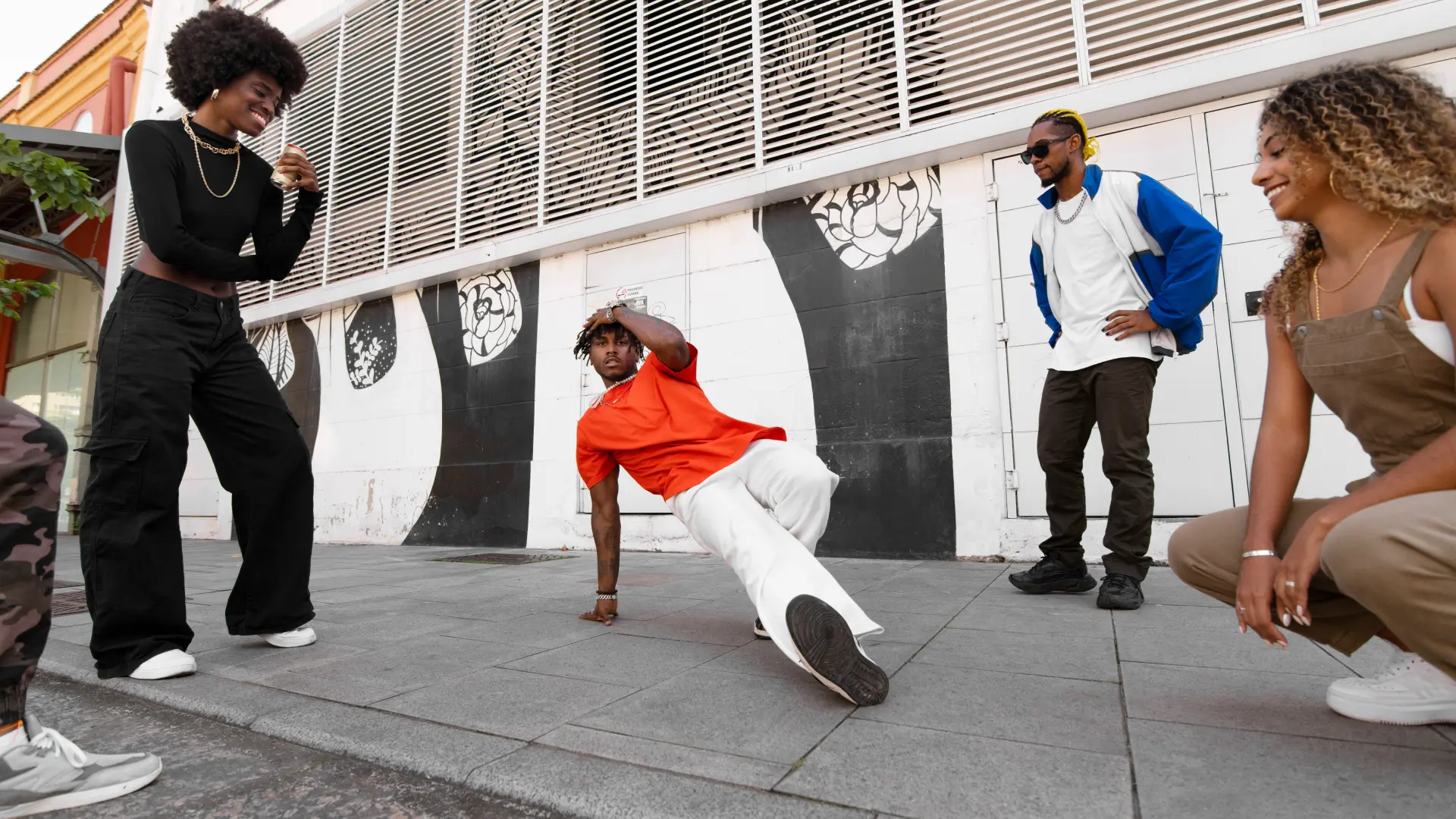
The Growth of Breaking and Street Battles
Breaking, also known as breakdance, played a major role in making Hip-Hop dance famous. B-boys and B-girls performed energetic moves in street battles where dancers competed through creativity and skill. These battles were not only competitions but also a way to build respect, confidence, and community.
The unique combination of music, movement, and attitude attracted more people and helped Hip-Hop dance grow beyond local neighbourhoods.
How Hip-Hop Dance Became Worldwide Famous
During the 1980s and 1990s, Hip-Hop dance gained international recognition through movies, music videos, and television shows. People around the world started learning Hip-Hop movements because they found them exciting, expressive, and different from traditional dance styles.
The dance form continued to expand with new styles such as:
- Popping: A style based on quick muscle movements and body control
- Locking: A dance style focused on sudden stops and energetic actions
- Krumping: A powerful style showing emotions through intense movements
- Freestyle: A creative approach where dancers create their own moves
These styles made Hip-Hop dance more diverse and allowed dancers to develop their own identity.
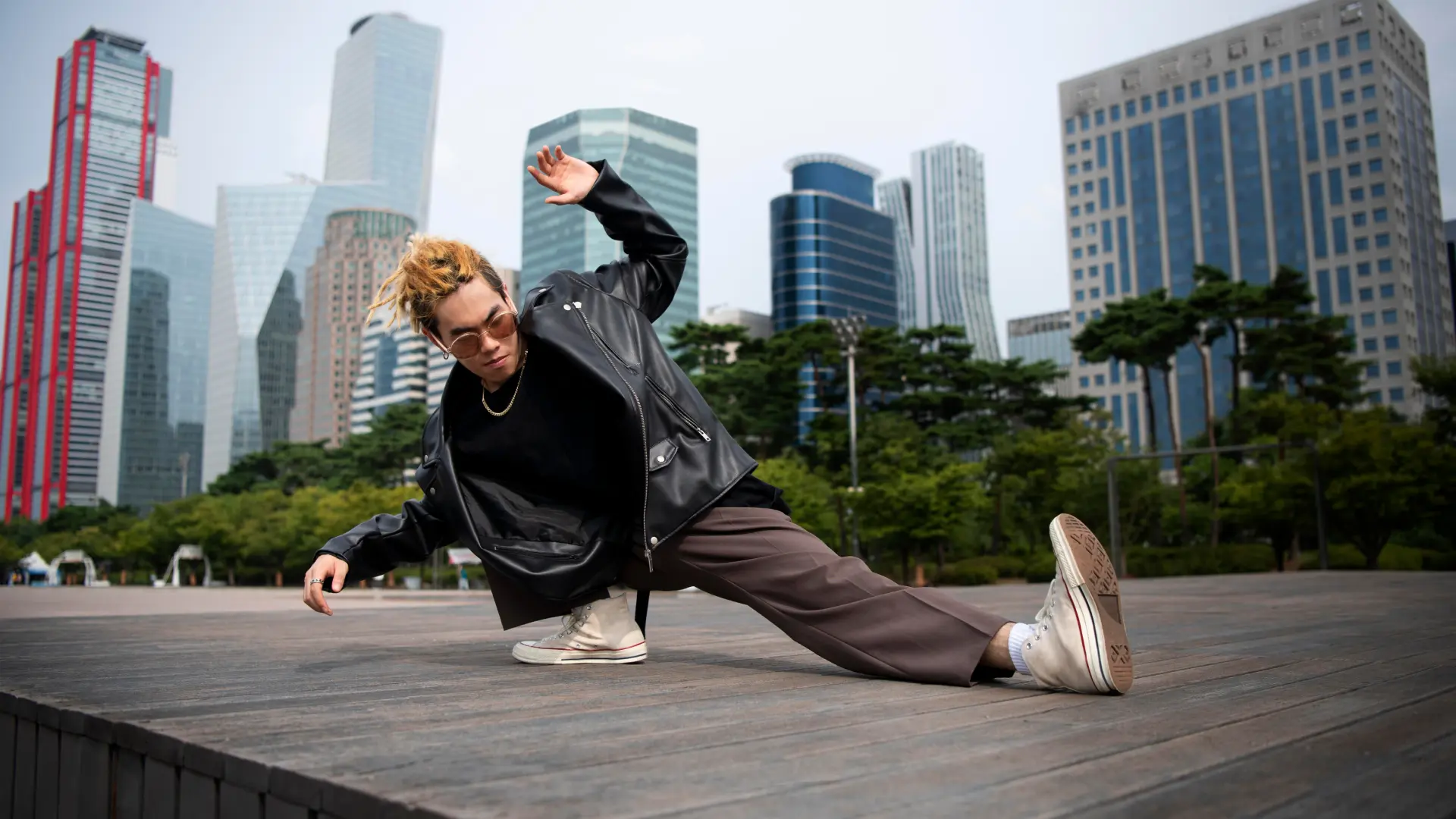
Why People Love Hip-Hop Dance
Hip-Hop dance is popular because it gives people a chance to express themselves without limitations. Unlike many dance forms that follow fixed patterns, Hip-Hop encourages creativity and originality.
Some major reasons behind its popularity are:
- It allows personal expression and confidence
- It connects people through music and movement
- It improves fitness, energy, and body control
- It helps dancers build strong connections
- It gives people a platform to showcase their talent
For many people, Hip-Hop dance is not only a hobby but also a way to communicate feelings and build self-confidence.
The Influence of Hip-Hop Dance in Modern Culture
Today, Hip-Hop dance is a major part of global entertainment. It can be seen in concerts, movies, advertisements, competitions, and social media platforms. Professional dancers and performers have helped bring Hip-Hop to audiences across different countries.
Dance competitions and online platforms have made it easier for new talent to share their performances and connect with dancers worldwide. Many schools and dance academies now teach Hip-Hop as a professional dance style.
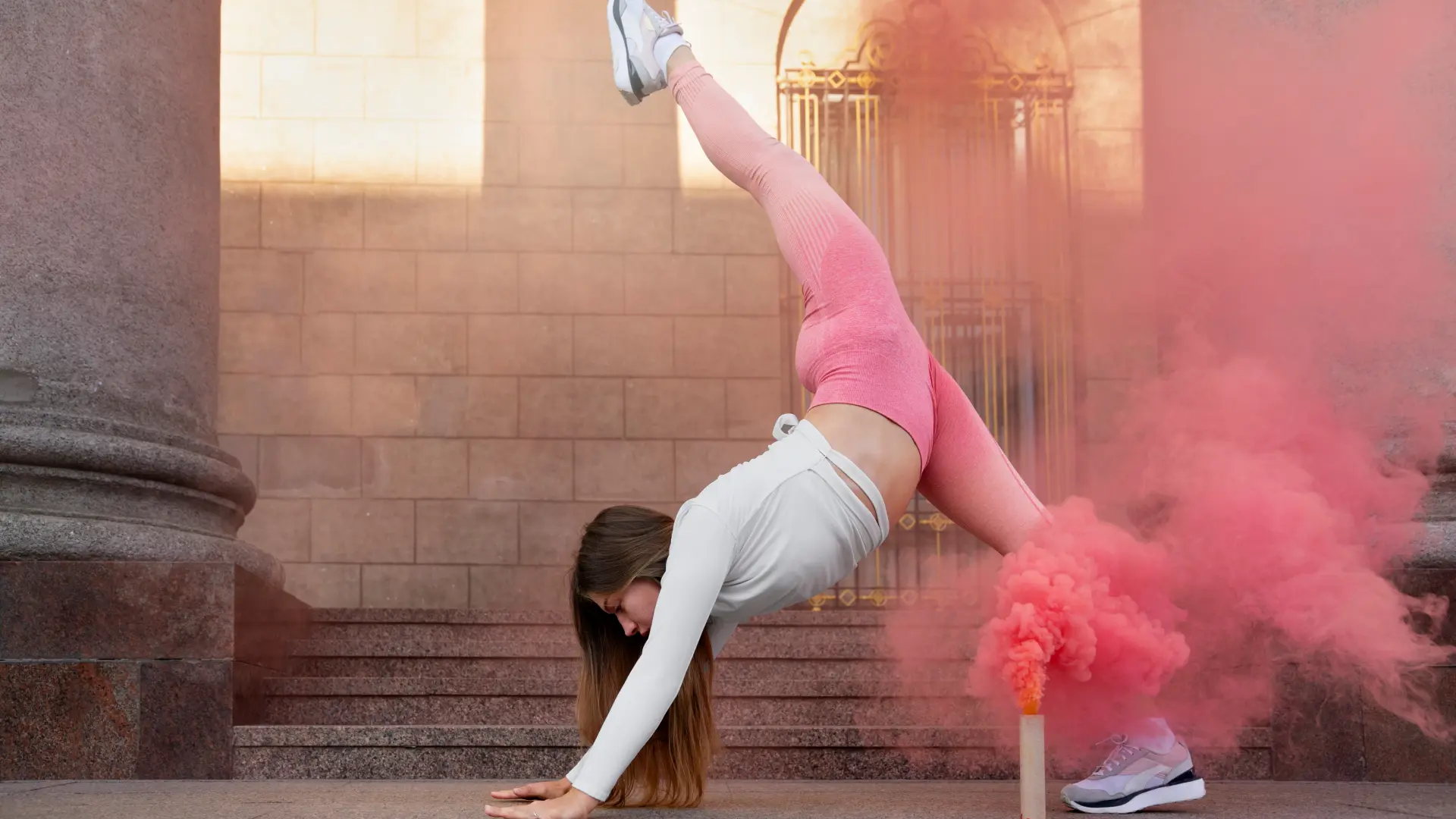
The Future of Hip-Hop Dance
Even after decades of growth, Hip-Hop dance continues to evolve. New generations of dancers are adding fresh ideas while respecting the original culture and history of the dance form. Its ability to adapt and change is one of the biggest reasons for its long-lasting success.
Hip-Hop dance represents more than movement; it embodies creativity, passion, and the courage to be unique.
A Dance Form That Connects the World
Hip-Hop dance has travelled from the streets of the Bronx to become a global cultural phenomenon. Its journey shows how art can bring people together and create a powerful impact. With its passion, creativity, and powerful expression, Hip-Hop dance will continue to inspire people across the world.