

Radiation is one of the most powerful and interesting forces present in our universe. It is something we cannot see, touch, or directly feel, yet it constantly exists around us. From the sunlight that gives energy to life on Earth to the advanced technologies used in hospitals and industries, radiation has become an important part of human development. However, when people hear the word “radiation,” they often think about danger, accidents, and harmful effects. The reality is much more balanced. Radiation can be both a friend and an enemy depending on how it is used and controlled.
Radiation refers to energy released from a source that can spread through space and interact with the objects it reaches, in different ways. It comes from natural sources such as the Sun, the Earth, and certain elements found in nature. It can also be created by humans for different purposes. Not all radiation is dangerous. Some forms are completely safe and have become essential for modern life, while others can be harmful when exposure is too high.
One of the most valuable uses of radiation can be found in the medical field. Modern healthcare has improved greatly because of radiation-based technologies. X-rays help doctors examine bones and detect injuries without requiring surgery. CT scans provide detailed images of internal body parts, helping medical professionals identify diseases at an early stage. These technologies have made diagnosis faster, easier, and more accurate.
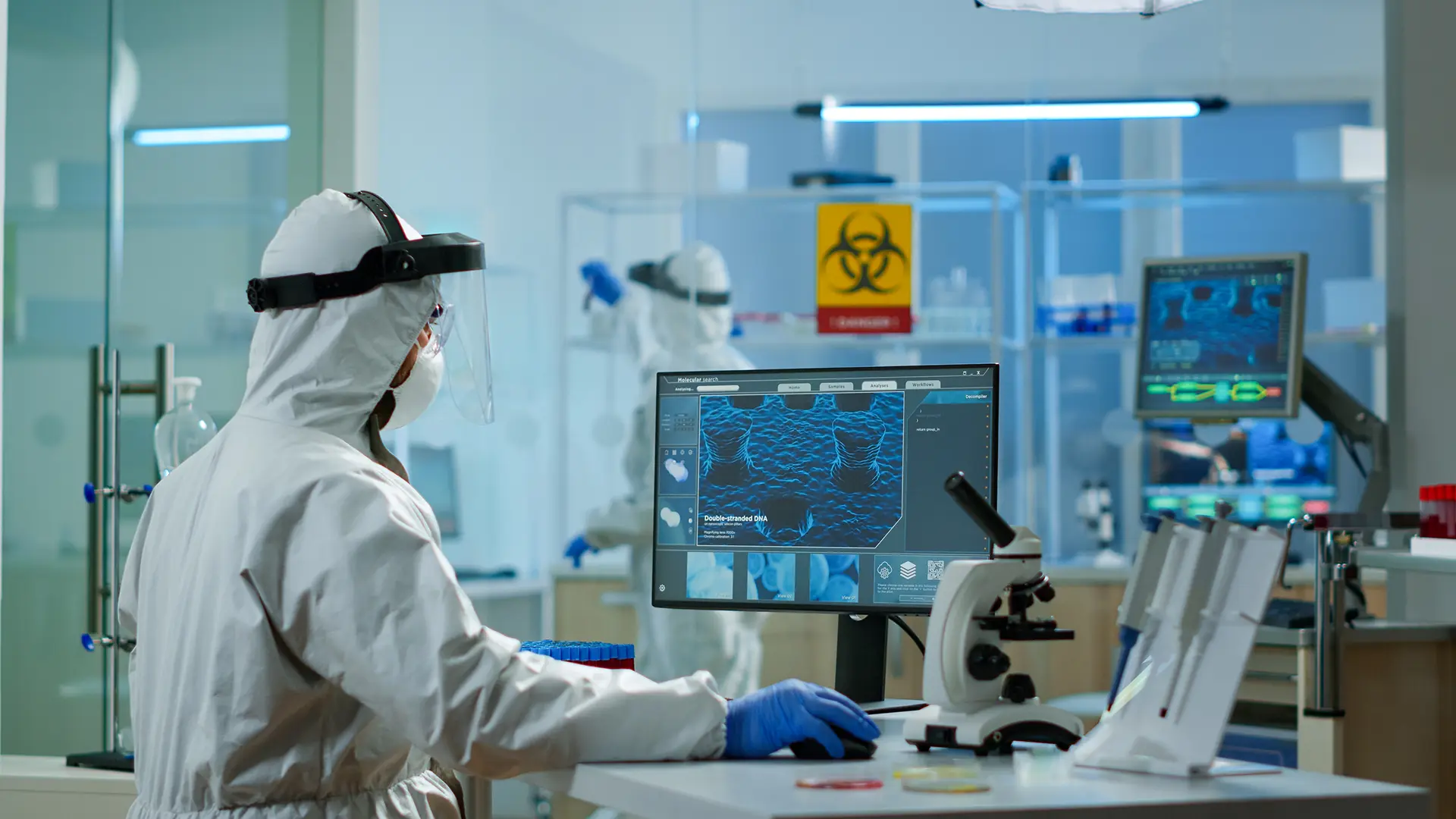
Radiation is also a powerful weapon against serious diseases, especially cancer. Radiation therapy uses carefully measured doses of radiation to target and destroy cancer cells. Although radiation can harm living cells, scientists have learned how to use it in a controlled way to damage unhealthy cells while protecting healthy tissues. This shows how something that can be dangerous can also become a life-saving tool.
Apart from medicine, radiation has an important role in energy production. Nuclear energy uses nuclear reactions to generate electricity for millions of people around the world. Compared with many traditional energy sources, nuclear power can produce large amounts of energy with lower carbon emissions. As the world searches for cleaner energy options, radiation-based technologies continue to be studied and improved.
Radiation also contributes to scientific discoveries and industrial development. Scientists use radiation to understand materials, study space, and explore the secrets of nature. Industries use radiation to inspect machines, test the strength of materials, and improve product quality. Even food preservation benefits from radiation technology, as controlled radiation can help reduce harmful microorganisms and increase the storage life of certain foods.
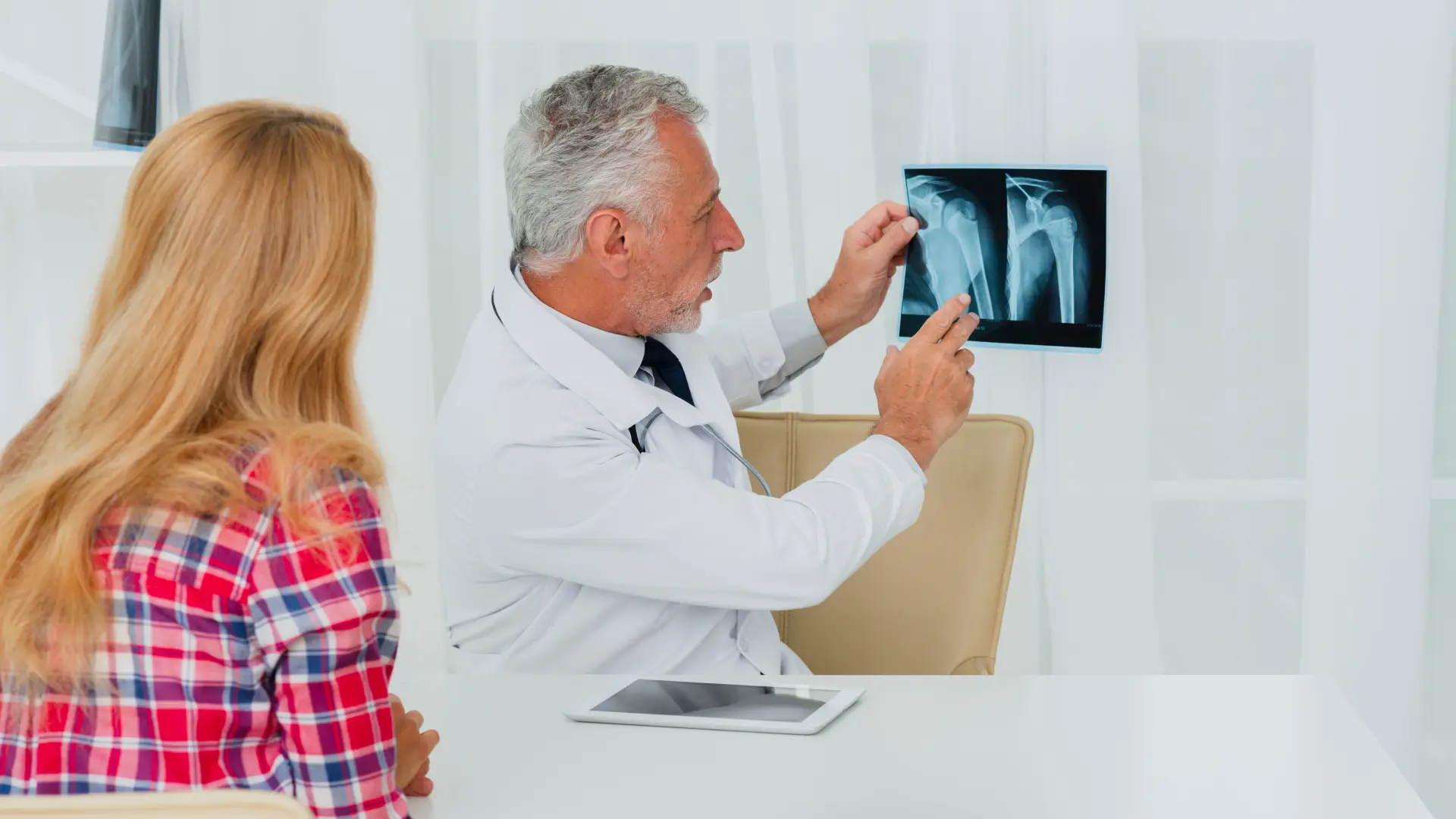
Despite these advantages, radiation can become dangerous when it is not properly managed. High levels of radiation exposure can damage human cells and affect DNA, which may lead to serious health problems. Past nuclear accidents have shown the importance of strict safety systems and responsible handling of radioactive materials. These events remind us that radiation is a powerful force that requires knowledge and careful management.
The harmful effects of radiation depend on many factors, including the type of radiation, the amount of exposure, and the time spent near the source. This is why scientists and safety experts create rules and protection methods to reduce unnecessary risks. Protective equipment, monitoring systems, and advanced technology help ensure that radiation is used safely.
Many people fear radiation because they misunderstand its nature. In reality, humans experience small amounts of natural radiation every day from the environment. Activities such as being exposed to sunlight or undergoing medical tests involve radiation exposure. The important factor is maintaining a safe balance. Radiation itself is not automatically harmful; its effects depend on the way it is used.
The relationship between humans and radiation teaches an important lesson about technology. Almost every powerful invention has both benefits and risks. Electricity can power cities but can also be dangerous if misused. Chemicals can create medicines but can also cause harm when handled incorrectly. Similarly, radiation can improve lives when managed responsibly.
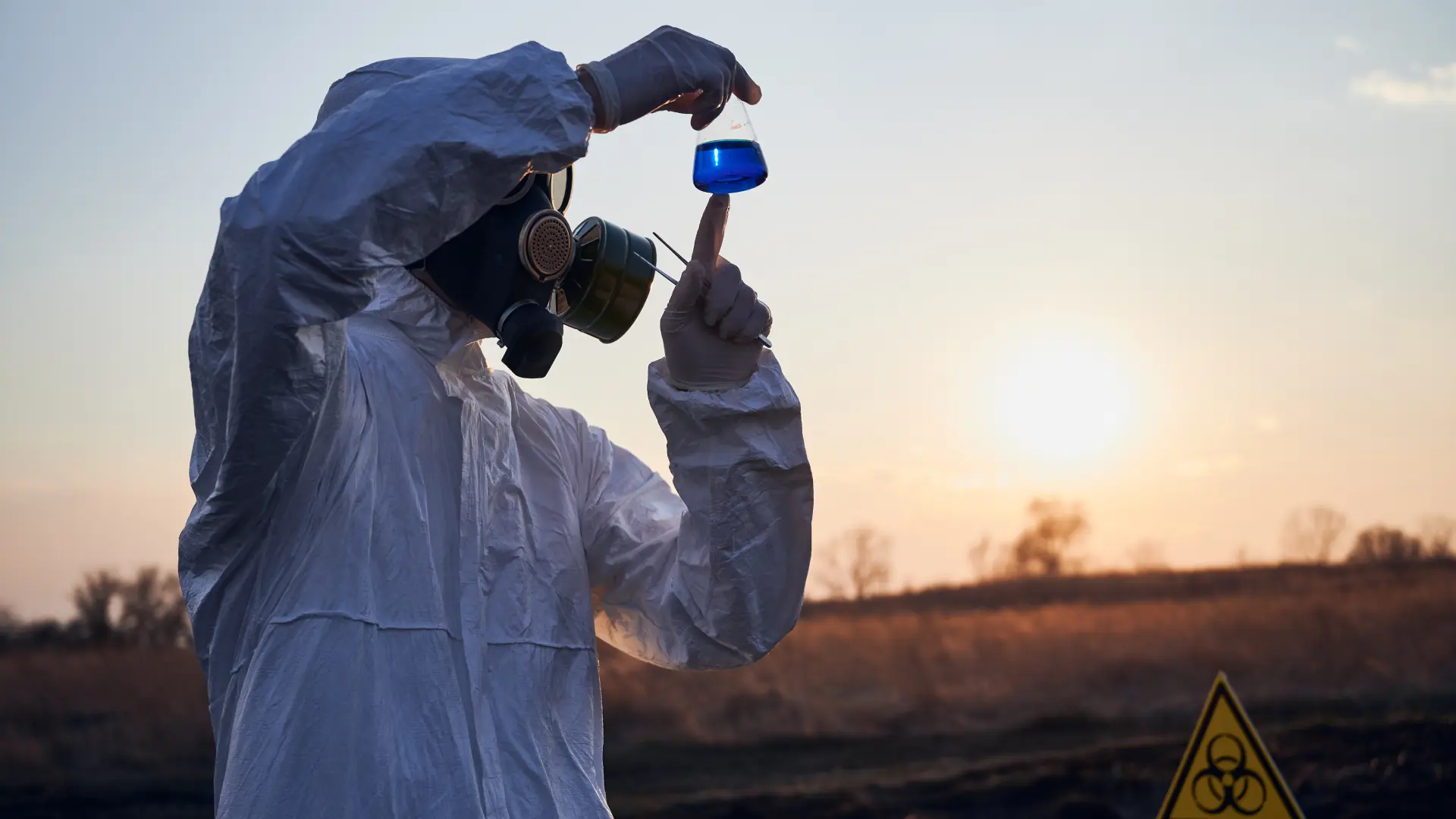
As science continues to grow, radiation may play an even greater role in the future. New medical treatments, advanced energy solutions, and space exploration technologies may depend on better ways of using radiation. With continuous research and strong safety practices, radiation can remain a valuable resource for humanity.
Radiation has become an important part of human life and scientific progress. Its impact depends on the way we understand, manage, and apply it. From improving medical treatments to supporting modern technology, radiation continues to create new possibilities for the future. At the same time, it reminds us of the importance of safety and responsibility. With proper knowledge and careful use, radiation can continue to be a powerful force that helps humanity grow and achieve new discoveries.