
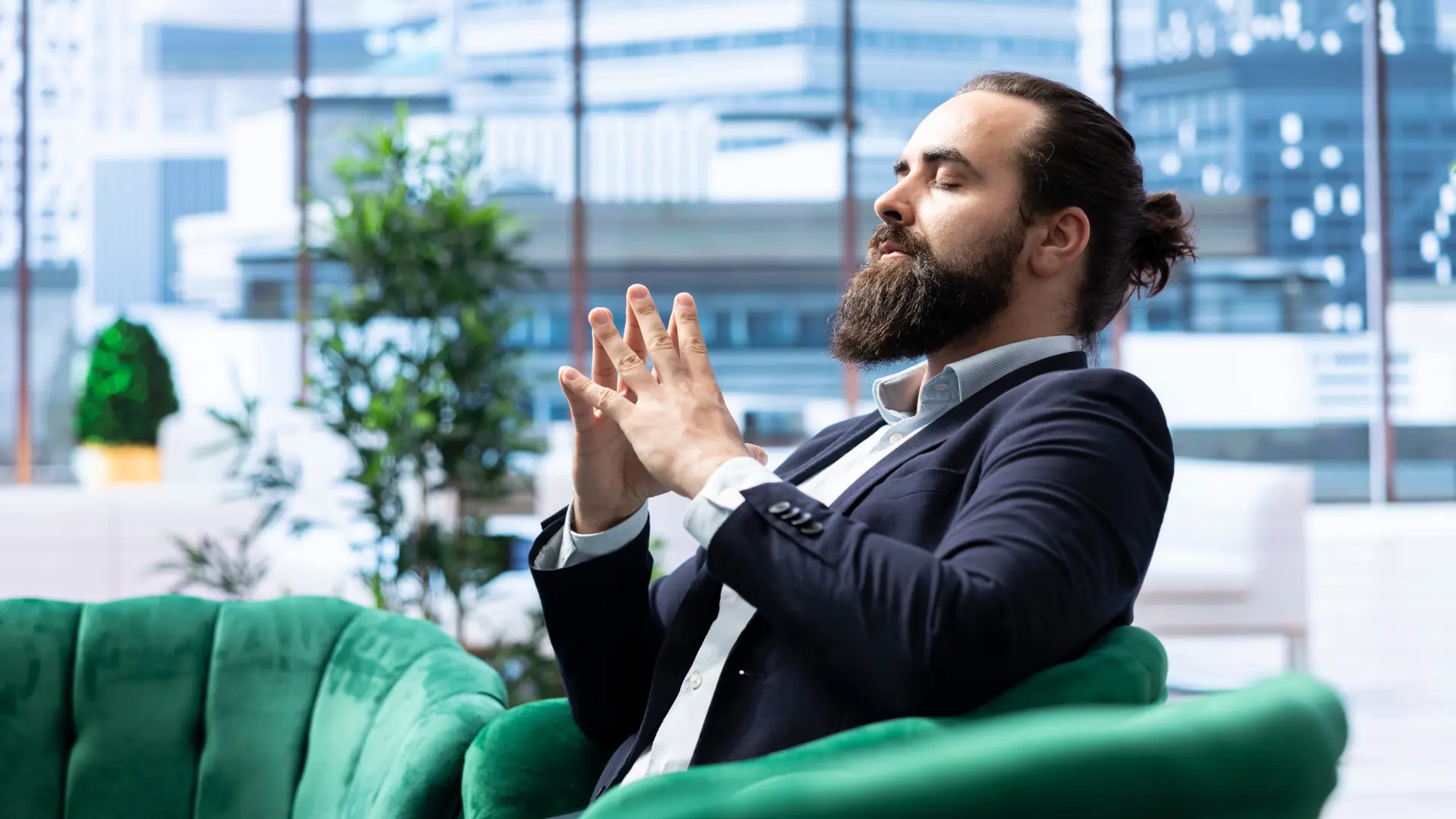
A job interview is not only about answering questions correctly or presenting your qualifications. Before you even speak, your body language already begins telling a story about your personality and preparation.
Many candidates focus only on preparing answers and improving their technical knowledge, but they often ignore the importance of non-verbal communication. When opportunities are limited, the little things you do can leave a powerful and lasting impression. Positive body language helps you appear confident, trustworthy, and prepared, while negative signals may create an unfavorable impression.
When you become aware of your body language, you can present yourself more effectively and build stronger professional connections during interviews.
The Importance of First Impressions
The first few moments of an interview are extremely important because they influence how the interviewer perceives you. A confident entrance, a polite greeting, and a professional attitude can immediately create a positive image.
Simple actions such as walking with confidence, maintaining good posture, and offering a natural smile show that you are comfortable and prepared. Your appearance and body movements should support the message that you are a capable and motivated professional.
A strong first impression does not mean acting overly confident or artificial. It means presenting yourself in a calm, respectful, and authentic way.
Maintain Positive Eye Contact
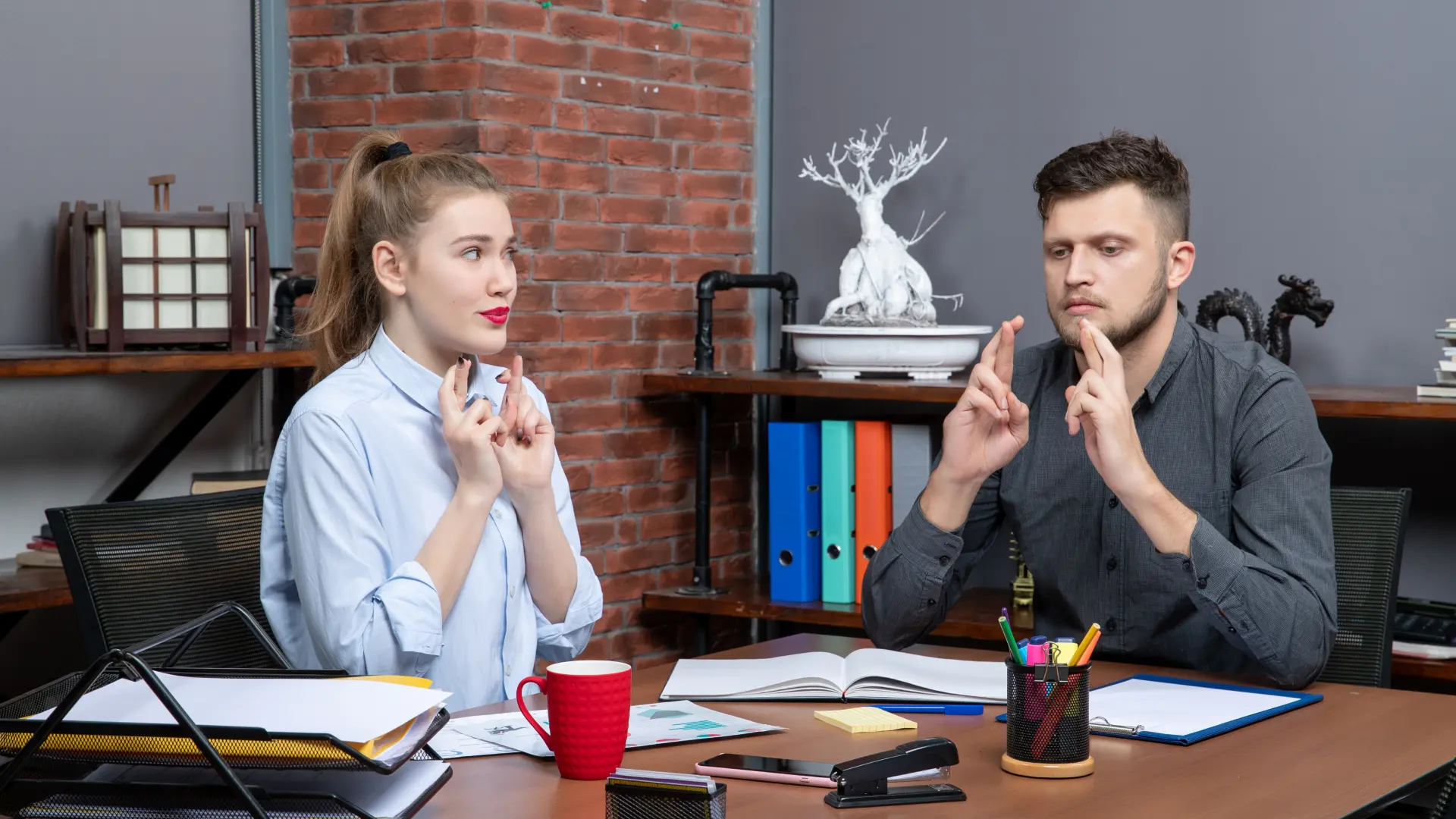
Eye contact is one of the most powerful elements of body language during an interview. Looking at the interviewer while speaking shows confidence, honesty, and interest in the conversation.
However, eye contact should feel natural. Staring continuously may make the interaction uncomfortable, while avoiding eye contact completely can make you appear nervous or unsure. A balanced approach helps create a professional connection.
When answering questions, look at the interviewer while explaining your thoughts. If there is a panel interview, make sure to include all members by briefly making eye contact with each person.
Focus on Your Posture and Sitting Style
Your posture reflects your confidence level. Sitting straight with relaxed shoulders creates a positive professional image. A good sitting position shows that you are attentive and engaged in the discussion.
Avoid crossing your arms tightly, leaning too far back, or appearing too relaxed. These gestures may suggest a lack of interest or confidence. Instead, keep your hands comfortable and maintain an open posture.
A confident posture also helps you feel more comfortable, which can reduce nervousness during the interview.
Use Natural Hand Gestures
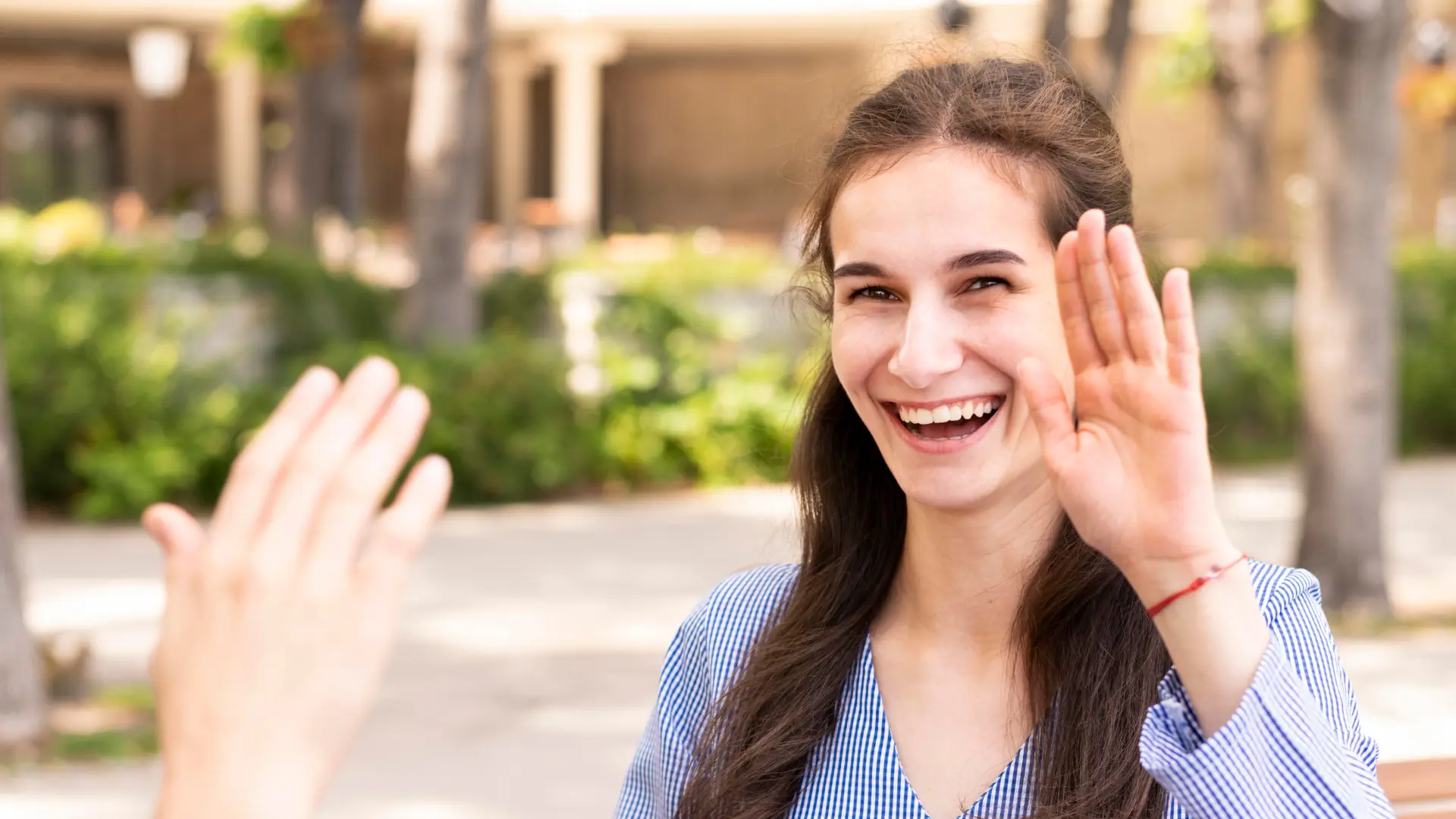
Hand movements can make your communication more effective when used correctly. Natural gestures help explain your ideas and show enthusiasm while answering questions.
At the same time, excessive hand movements can become distracting. Avoid playing with objects, touching your face repeatedly, or making sudden movements. These habits may reveal nervousness.
The goal is to use gestures that support your words, not replace them. Controlled and natural movements create a more professional impression.
The Power of a Genuine Smile
A smile is a simple but effective way to show friendliness and confidence. A genuine smile creates a positive atmosphere and helps build a better connection with the interviewer.
During an interview, smiling at appropriate moments can show that you are approachable and comfortable. However, forcing a smile throughout the conversation may appear unnatural.
A professional balance between seriousness and friendliness helps you communicate confidence and positivity.
Control Nervous Habits
Feeling nervous before an interview is common, but visible nervous habits can affect how others perceive you. Actions such as shaking your legs, tapping your fingers, looking around frequently, or speaking too quickly may create a negative impression.
Practice and preparation are the best ways to control nervousness. Taking a moment before answering, breathing calmly, and maintaining steady movements can help you appear more confident.
Self-awareness helps you identify areas for improvement and replace distracting behaviours with confident actions.

Pay Attention to Your Voice and Tone
Although body language mainly involves physical expressions, your voice is also an important part of communication. Your tone, speaking speed, and clarity influence how your message is received.
Speaking too softly may make you appear uncertain, while speaking too quickly can make your answers difficult to understand. A clear and balanced voice shows confidence and professionalism.
Combine positive body language with effective verbal communication to create a stronger overall impression.
Practice Before the Interview
Improving body language requires awareness and practice. Practicing in front of a mirror, recording yourself, or participating in mock interviews can help you identify areas for improvement.
Observe your posture, facial expressions, gestures, and speaking style. Small adjustments can make your communication more effective.
Preparation builds confidence, and confidence naturally improves your body language.
Final Thoughts
A successful interview depends not only on your answers but also on the positive presence you create through your body language. A confident posture, positive eye contact, natural gestures, and professional behaviour can help you create a strong impression.
Your knowledge builds your value, while your communication and presence help others recognise it. By understanding and improving your body language, you can approach interviews with greater confidence and professionalism.
Successful interviews are not only about what you say; they are also about how you communicate it. A strong combination of knowledge, confidence, and positive body language can help you move closer to your career goals.